
Why Your Sneakers Are Still Made by Hand: The Automation Challenge


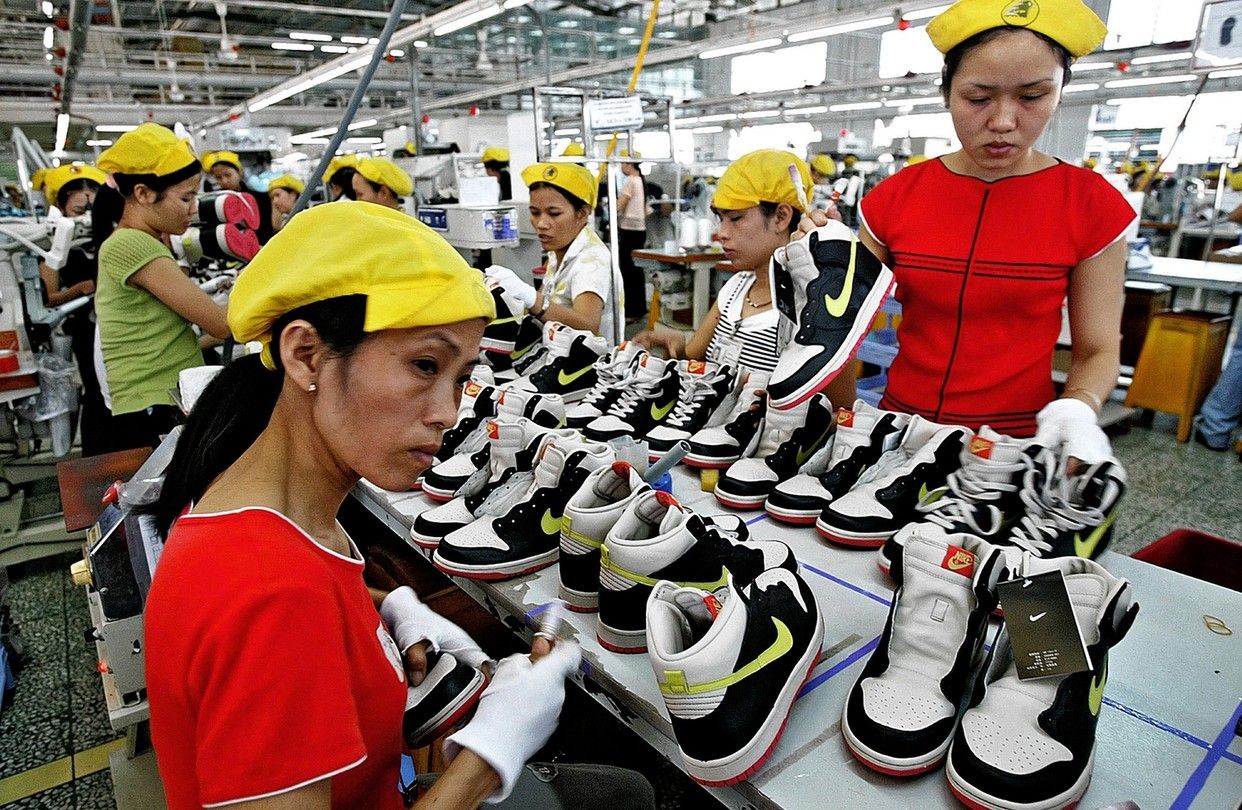
The idea of bringing manufacturing back to the U.S. often comes up, especially when tariffs on imported goods are discussed. Proponents suggest that automation could offset higher U.S. labor costs. However, the experience of major sneaker brands like Nike highlights just how difficult it can be to replace human hands with machines in certain industries.
Starting around 2015, Nike invested heavily in an ambitious project to automate sneaker production. Facing rising labor costs in Asia and seeing potential in new technologies like 3D printing, Nike partnered with manufacturer Flex (known for helping Apple) to build a high-tech factory in Mexico. The goal was to produce millions of sneakers with significantly fewer workers than their Asian counterparts, potentially paving the way for U.S. production.
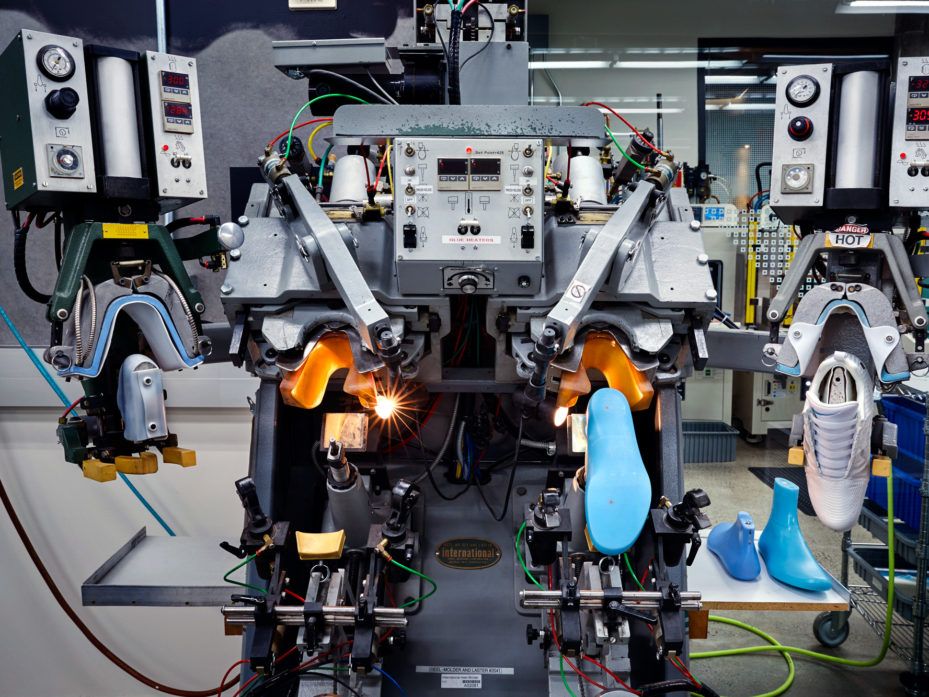
Competitors like Adidas and Under Armour launched similar initiatives. Adidas opened "speedfactories" in Germany and Atlanta, while Under Armour announced "Project Glory" to make shoes in Baltimore, all aiming to leverage automation.
However, these efforts quickly encountered significant hurdles. Robots struggled with the core materials of shoes – soft, flexible fabrics that stretch and change with temperature. Unlike the standardized, hard components used in electronics, shoe parts are variable. Human workers can easily adapt to these inconsistencies, but machines found it challenging. Tasks like precisely gluing soles onto the upper part of the shoe proved difficult to automate reliably.
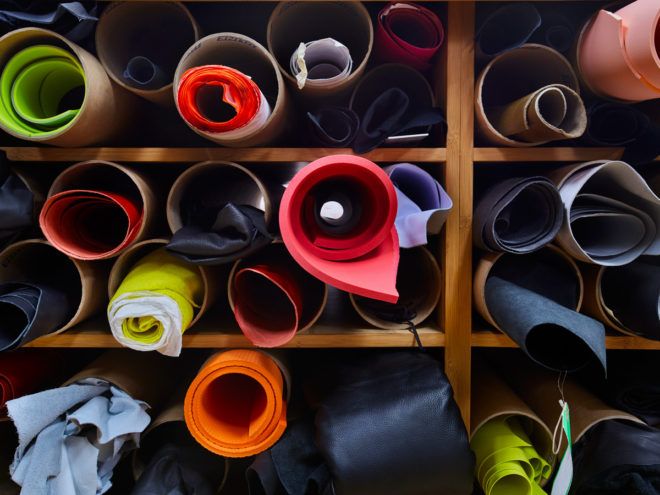
Another major obstacle was the sheer variety and constant evolution of sneaker designs. Automation thrives on repetition and standardization. But the footwear industry demands constant innovation and a vast array of styles. Designers weren't constrained by manufacturing limitations, expecting factories to produce whatever they conceived. Automating a process for one specific design element, like placing the Nike swoosh, could take months, only for the design to change, rendering the automation obsolete.
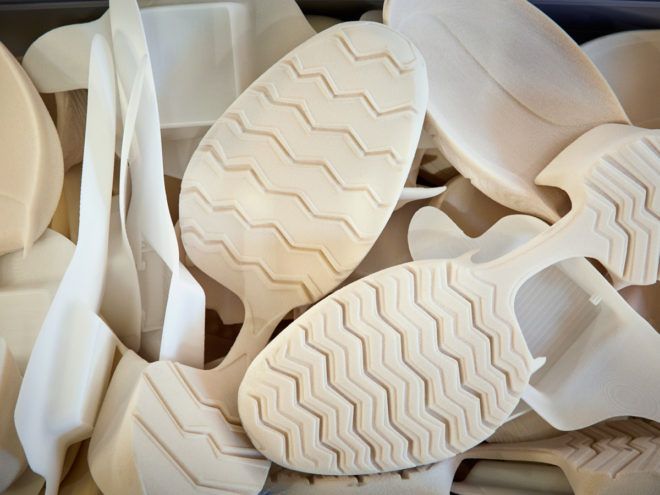
By 2019, these ambitious projects were largely wound down. Flex and Nike ended their partnership. Adidas closed its speedfactories in the U.S. and Germany, moving the technology to Asia. Under Armour stopped promoting its U.S. manufacturing project. The companies returned to relying on their established manufacturing bases in Vietnam, China, and Indonesia, despite the risks highlighted during pandemic-related shutdowns.
While the threat of new tariffs might renew interest in automation and reshoring, the previous attempts serve as a cautionary tale. Experts involved believe it's still possible but would require significant investment, patience, and perhaps a fundamental shift in how shoes are designed – prioritizing simplicity and standardization suitable for machines, which might conflict with consumer demand for variety and cutting-edge style. The dream of robots making your Nikes remains, for now, largely unrealized.